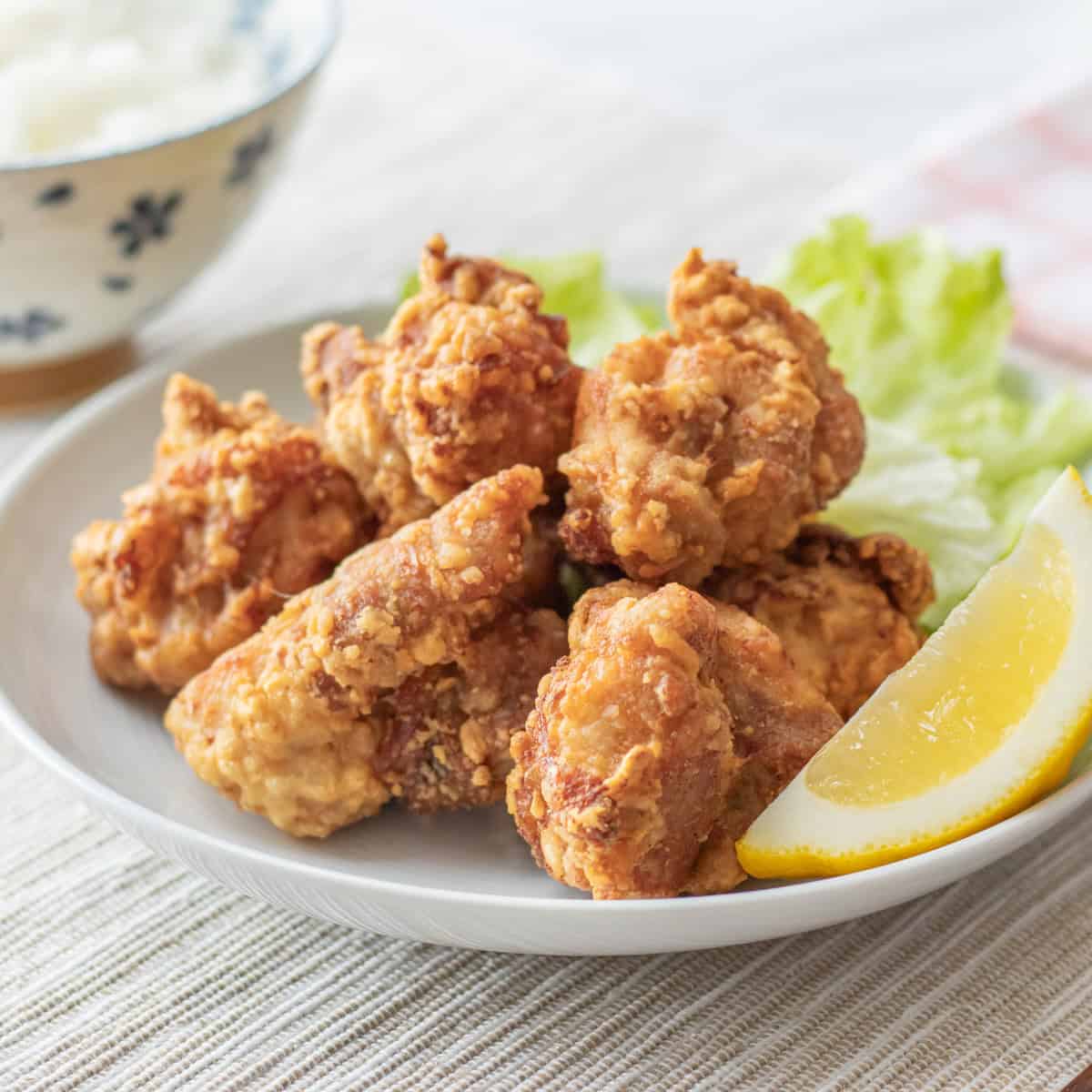
Authentic Chicken Karaage: Master Japanese Fried Chicken at Home
Few dishes capture the heart and palate quite like chicken karaage, Japanese fried chicken. Beloved across Japan and increasingly around the world, this culinary masterpiece boasts a uniquely irresistible combination: a gloriously golden, audibly crispy crust encasing unbelievably tender, juicy, and intensely flavorful chicken. It's more than just a dish; it's a testament to the art of Japanese comfort food, perfected through generations.
While often compared to its American counterpart, karaage possesses distinct characteristics that set it apart, making it a truly unique experience. The secret lies in a meticulous preparation process, from selecting the ideal cut of chicken to the nuanced frying techniques. This comprehensive guide will take you through every step, helping you recreate that authentic, restaurant-quality chicken karaage right in your own kitchen.
What Makes Authentic Chicken Karaage So Irresistible?
At its core, chicken karaage is a Japanese dish crafted by marinating bite-sized pieces of chicken in a savory mixture, lightly coating them, and then deep-frying them to crispy perfection. This process delivers an exquisite textural contrast: a shatteringly crisp exterior that yields to a succulent, tender interior bursting with umami-rich flavor.
Its widespread appeal in Japan is undeniable. You'll find karaage gracing dinner tables in homes, serving as a popular snack at bustling street food stalls, a staple appetizer in lively izakaya (Japanese pubs), and a cherished component of everyday bento (lunch boxes). Its versatility and deliciousness make it a constant favorite.
While both karaage and American-style fried chicken share the common ground of deep-fried poultry, their paths diverge significantly. A key distinction lies in the flavoring method: for karaage, the chicken itself is infused with flavor through a marinade before being coated, whereas American fried chicken typically relies on seasoning mixed into the flour coating. Furthermore, American fried chicken is often cooked at a higher temperature to achieve a robustly crunchy crust. In contrast, chicken karaage is typically fried at a slightly lower temperature. This subtle difference is crucial, contributing to its signature tender and juicy texture on the inside. Another remarkable feature of karaage is its ability to retain its deliciousness even after cooling, making it an excellent option for meal prep, picnics, or lunchboxes. If you're curious to dive deeper into these fascinating differences, explore our detailed comparison in Karaage vs. Fried Chicken: Unpacking Japan's Crispy, Juicy Secret.
Beyond chicken, the term "karaage" is a preparation method that can be applied to various ingredients. Fish, other meats, vegetables, and even mushrooms can be transformed into their own delicious "karaage" versions. For those seeking plant-based options, tofu karaage offers a fantastic, flavorful alternative, showcasing the adaptability of this beloved technique.
The Foundation: Choosing and Preparing Your Chicken
The journey to perfect chicken karaage begins with the right cut of meat and meticulous preparation. These initial steps are fundamental to achieving the desired texture and flavor.
Selecting the Best Cut for Karaage
For truly authentic and superior Japanese fried chicken, the undisputed champion is **boneless chicken thigh meat**. Chicken thighs strike an exquisite balance between lean meat and rich, flavorful fat. This combination is precisely what's needed to ensure a delightfully crispy exterior while maintaining a succulent, juicy interior. Unlike some other fried chicken preparations, karaage is almost universally made with boneless pieces, making boneless thighs the ideal choice.
While chicken breast meat can technically be used, it is significantly leaner and has a higher tendency to become dry and tough when subjected to the deep-frying process. For the best, most consistently delicious results, always opt for boneless chicken thighs.
Essential Preparation Pointers
Once you have your chicken, a few crucial preparation steps will elevate your karaage from good to extraordinary:
- Trim Away Unwanted Parts: Chicken thighs, even boneless ones, often come with certain parts that should be removed. Look for any visible blood spots, yellowish fat deposits, cartilage, or tough tendons. Leaving these on can introduce unpleasant odors or textures into your final dish. Taking the time to trim them off ensures a cleaner flavor and a more enjoyable eating experience. The fat you trim can also render unpleasantly during frying, so removing it contributes to a better crisp.
- Cut Uniform, Bite-Sized Pieces: Consistency is key when it comes to frying. Aim to cut your chicken thighs into pieces that are as uniform in size as possible. Typically, this means pieces roughly 1.5 to 2 inches (3-5 cm) in diameter. If your pieces are uneven, you risk some cooking too quickly and becoming overly crispy (or dry), while larger pieces might remain undercooked in the center. Uniformity guarantees even cooking, leading to consistent tenderness and crispness across every single piece of your chicken karaage.
Unlocking Flavor: The Secret of the Marinade
The heart of authentic chicken karaage lies in its powerful, umami-rich marinade. This isn't just about adding flavor; it's about tenderizing the meat and creating that distinctive depth that makes Japanese fried chicken so utterly addictive. A classic karaage marinade typically combines a few staple Japanese ingredients:
- Soy Sauce: The cornerstone, providing a deep savory flavor and a beautiful golden color when fried.
- Sake: Japanese rice wine not only adds a subtle sweetness and aromatic depth but also helps tenderize the chicken.
- Mirin: A sweet rice wine that contributes a touch of sweetness and gloss, balancing the savory notes.
- Fresh Ginger: Grated ginger adds a bright, pungent warmth that cuts through the richness and acts as a natural meat tenderizer.
- Fresh Garlic: Minced garlic provides an aromatic foundation, enhancing the overall savory profile.
- A touch of Sesame Oil (optional): For an extra layer of nutty aroma and flavor.
Combine your prepared chicken pieces with the marinade ingredients in a bowl. Gently massage the marinade into the chicken to ensure every piece is thoroughly coated. For optimal flavor penetration and tenderization, cover the bowl and refrigerate the chicken for at least 30 minutes, but ideally 1 to 2 hours. For an even more profound flavor, you can marinate it overnight. This extended marinating time allows the chicken to fully absorb the delicious liquids, ensuring each bite is packed with savory goodness.
The Crispy Coating and Frying Technique
With your marinated chicken ready, the next critical steps involve applying the perfect coating and mastering the deep-frying process to achieve that iconic crispy exterior.
The Ideal Coating for Karaage
Unlike flour-based coatings used in many Western fried chicken recipes, chicken karaage traditionally uses starch. The best choice is **potato starch (katakuriko)**. Potato starch is incredibly fine and light, and when deep-fried, it creates a delicate, extra-crispy, almost shattery crust that is characteristic of authentic karaage. Cornstarch can be used as an alternative if potato starch is unavailable, offering a good crisp, but the texture might be slightly different. Avoid using regular wheat flour alone, as it tends to yield a denser, less delicate crust.
To coat the chicken, drain any excess marinade liquid, then dredge the pieces thoroughly in the potato starch. Ensure each piece is evenly coated, shaking off any significant excess. A thin, even layer is what you're aiming for.
Mastering the Frying Process
Frying is where the magic truly happens, transforming marinated chicken into golden, crispy perfection. Here are the key techniques:
- Temperature Control is Crucial: Heat your oil (neutral oil like canola, vegetable, or grapeseed is best) to approximately **340-350°F (170-175°C)**. This slightly lower temperature, compared to American fried chicken, is vital. It allows the chicken to cook through gently, rendering the fat and achieving tenderness without burning the exterior, resulting in that incredibly juicy interior.
- Fry in Batches: Do not overcrowd your frying pot. Frying too many pieces at once will drastically lower the oil temperature, leading to greasy, less crispy karaage. Fry in small batches, leaving enough space for the chicken to cook evenly and the oil temperature to recover quickly.
- The Double-Fry Method (for Ultimate Crispiness): For an exceptionally crispy and light crust, many Japanese chefs employ a double-fry method.
- First Fry: Fry the chicken at 340-350°F (170-175°C) for about 3-4 minutes, or until lightly golden and cooked through. Remove the chicken from the oil and let it rest on a wire rack for a few minutes. This allows residual heat to finish cooking the interior and lets any steam escape.
- Second Fry: Increase the oil temperature to 375-390°F (190-200°C). Return the partially cooked chicken to the hotter oil and fry for another 1-2 minutes, or until deep golden brown and super crispy. This quick, hotter second fry is what gives karaage its signature crunch.
- Drain Properly: Once fried, transfer the Japanese fried chicken to a wire rack set over a baking sheet to drain any excess oil. Avoid placing it directly on paper towels, as this can trap steam and make the crust soggy.
For more expert advice and advanced techniques to perfect your frying, be sure to read Achieve Perfect Karaage: Pro Tips for Crispy & Juicy Japanese Fried Chicken.
Serving and Enjoying Your Homemade Karaage
Your freshly made chicken karaage is a delight on its own, but it's often served with simple accompaniments to enhance the experience. A squeeze of fresh lemon juice is classic; its acidity cuts through the richness of the fried chicken, brightening the flavors. Japanese mayonnaise (Kewpie mayo is a popular choice) offers a creamy, tangy dip that complements the savory chicken beautifully. Serve it as an appetizer, a main course with rice and a simple salad, or pack it into a bento box for a delicious meal on the go.
Conclusion
Mastering authentic chicken karaage, Japanese fried chicken, at home is a rewarding culinary journey. By understanding the importance of choosing boneless chicken thighs, meticulously preparing the meat, infusing it with a balanced marinade, and employing the correct starch coating and frying techniques (especially the double-fry), you can achieve that sought-after golden, crispy exterior and incredibly juicy, flavorful interior. This dish is a true celebration of Japanese comfort food, bringing warmth and deliciousness to any table. Don't be intimidated; with these tips and a little practice, you'll be creating irresistible karaage that rivals your favorite Japanese restaurant.
